Loggia & Portico in Italian Historic Centres
A structured reference on the typology, conservation regulations, and contemporary use of colonnaded urban passages across Italy's protected historic cores.

Portico di San Luca, Bologna. Photo: Vanni Lazzari / Wikimedia Commons (CC BY-SA 4.0)
Three Areas of Documentation
The following articles address distinct aspects of loggia and portico architecture, from formal classification to regulatory frameworks and present-day use.

Loggia Types in Italian Historic Centres
Arcaded loggias, merchant loggias, civic loggias — how each type differs in structure, function, and urban placement.
Read article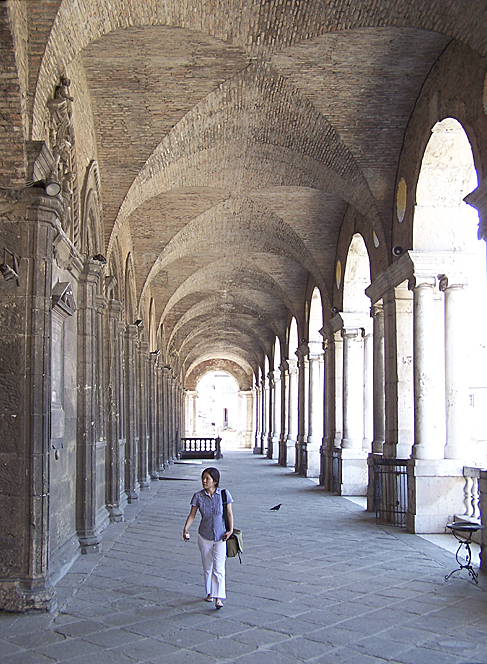
Heritage Regulations & Portico Preservation
Italian legislative frameworks governing protected colonnaded streetscapes, from national codes to UNESCO buffer zones.
Read article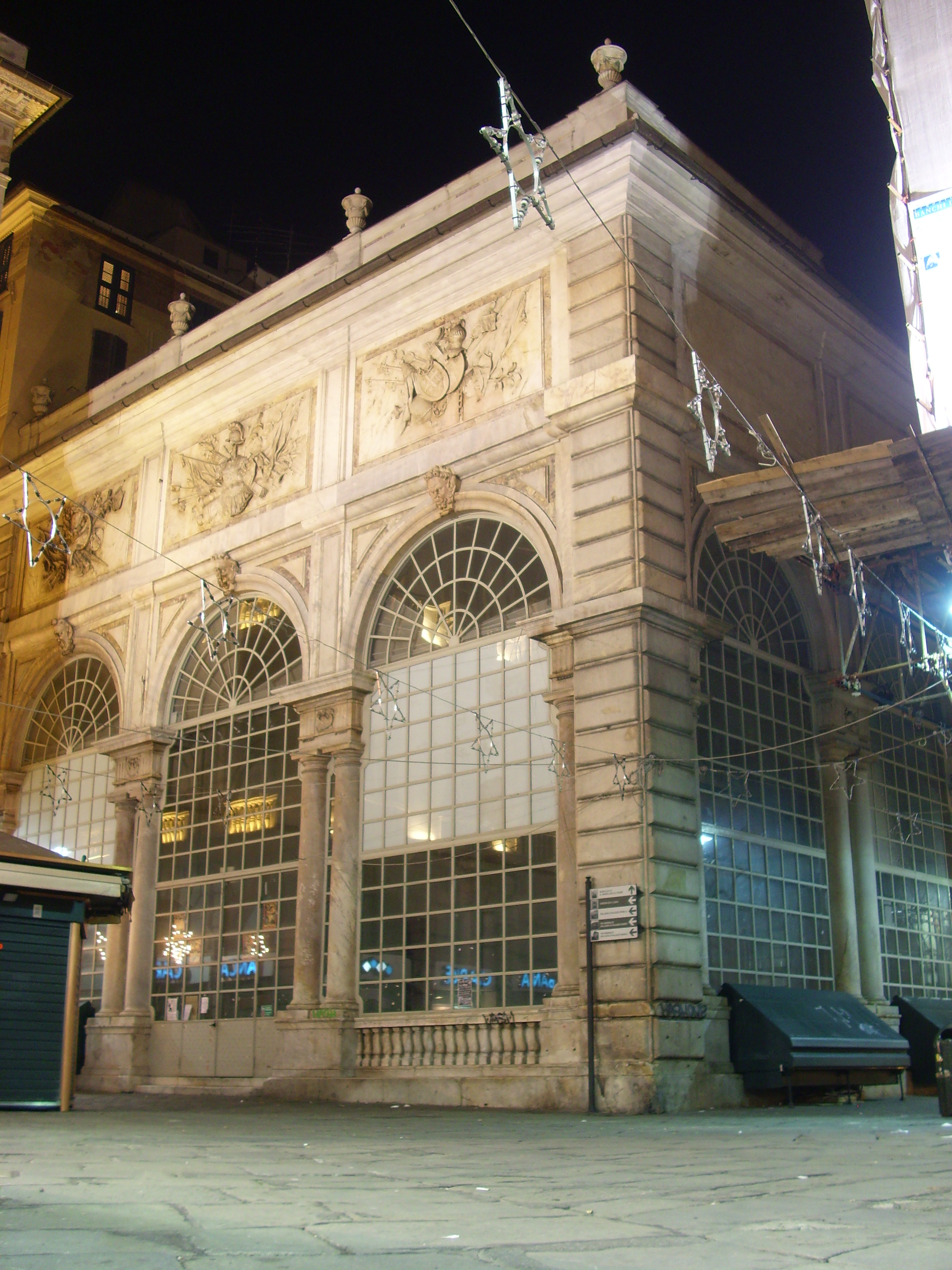
Adapting Portico Spaces for Modern Use
How municipalities, property owners, and cultural institutions navigate the tension between living fabric and protected envelope.
Read articleWhy Colonnaded Architecture Matters
The loggia and the portico are among the most persistent structural elements in Italian urban form. Unlike a freestanding arcade, the portico is integral to the street section itself — it defines pedestrian space, protects from weather, and mediates between private property and public passage.
In Bologna alone, the porticoed street network extends across more than 38 kilometres of the historic centre, a figure that helped secure UNESCO World Heritage inscription in 2021. Similar configurations exist in Padua, Genoa, Turin, and dozens of smaller historic towns throughout the peninsula.
The formal distinction between a loggia (typically an elevated, open gallery attached to a building) and a portico (a ground-level colonnaded passage forming part of the street) is not always observed consistently in Italian usage, but the two types share a common structural logic: columns or piers supporting arches or lintels, creating sheltered transitional space.

Vaulted loggia at San Sebastiano, Mantua. Photo: Christoph Becker / Wikimedia Commons (CC BY-SA 4.0)
Send a message
For questions about content, corrections, or information requests.